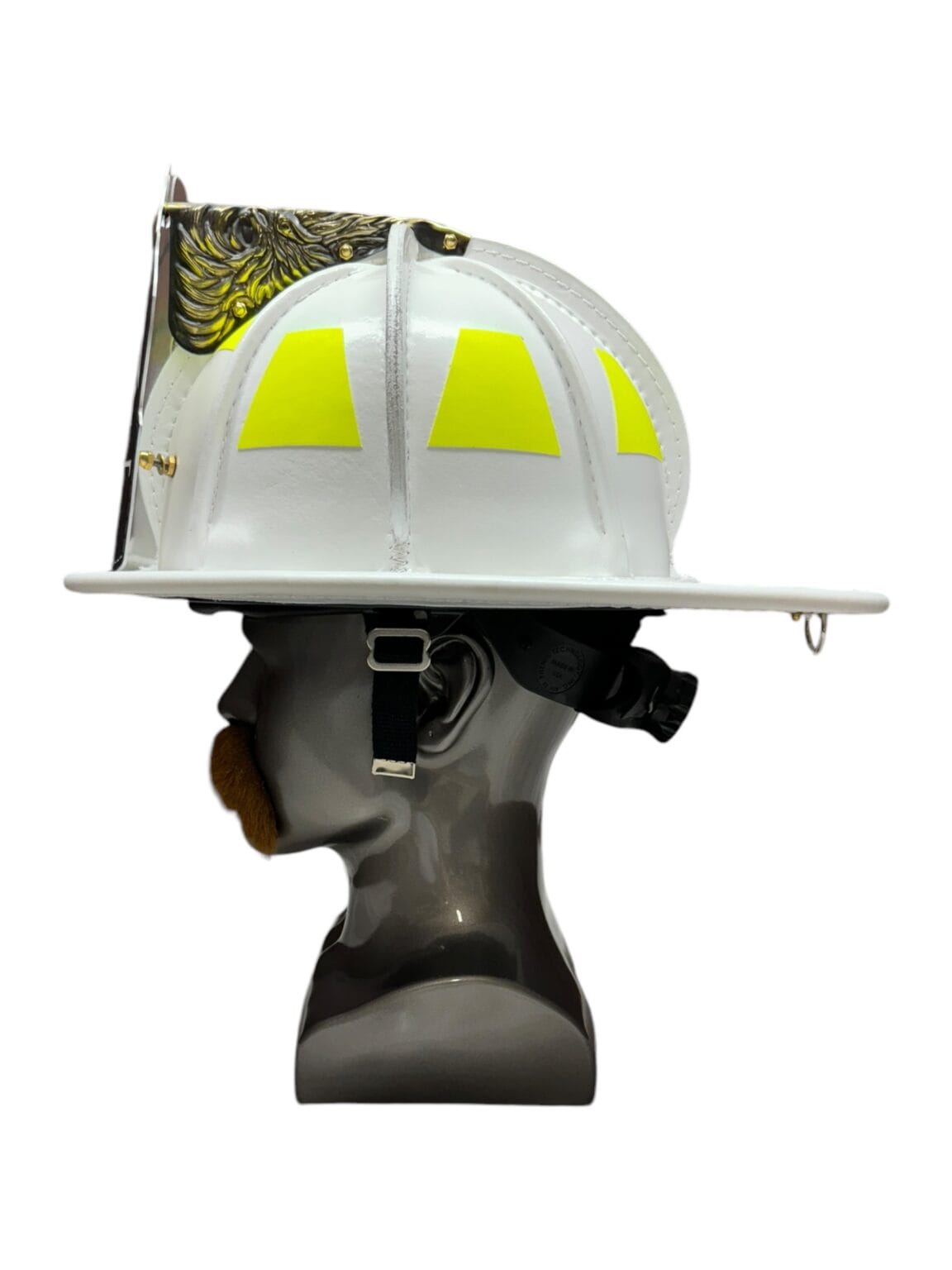
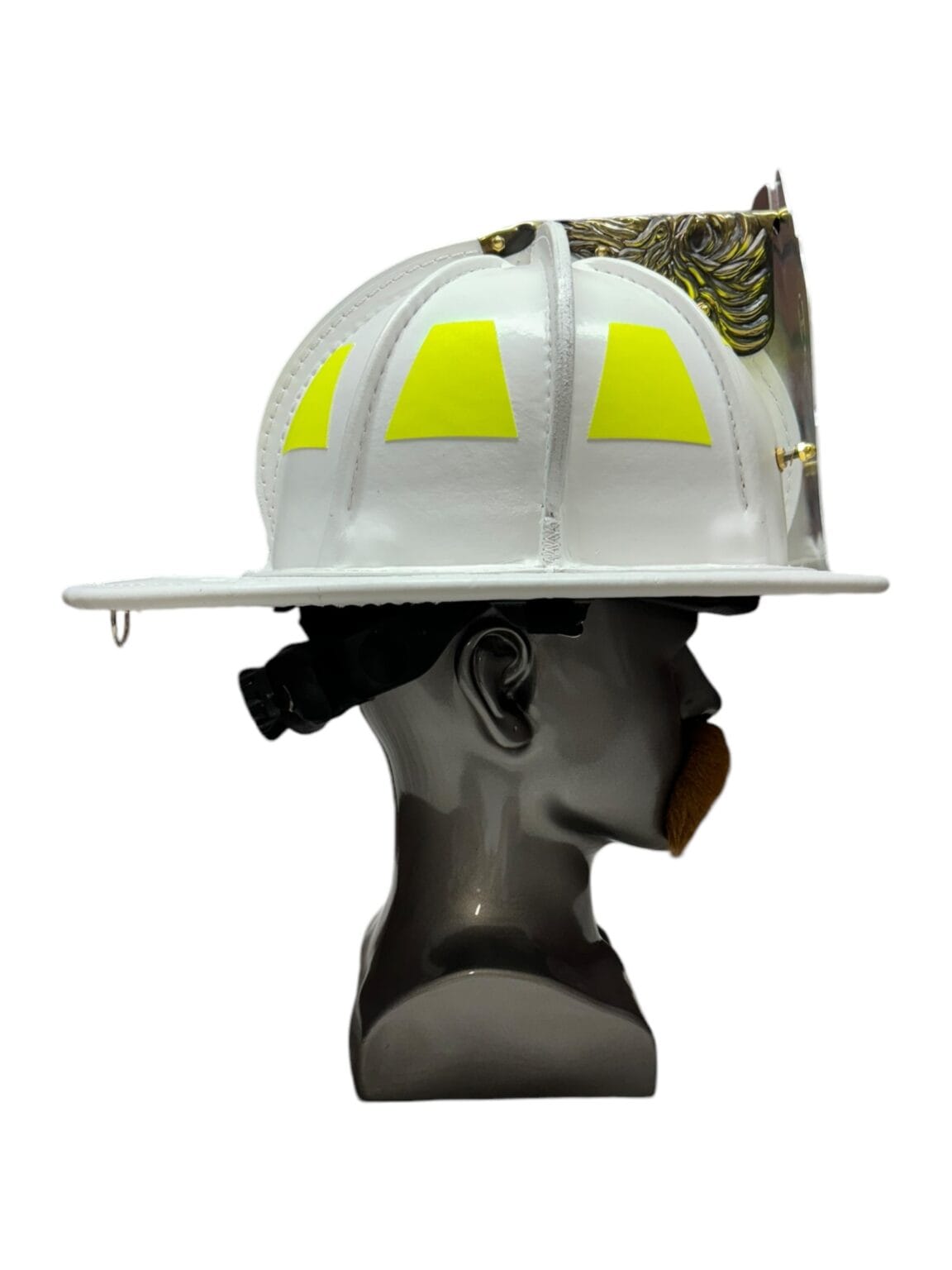
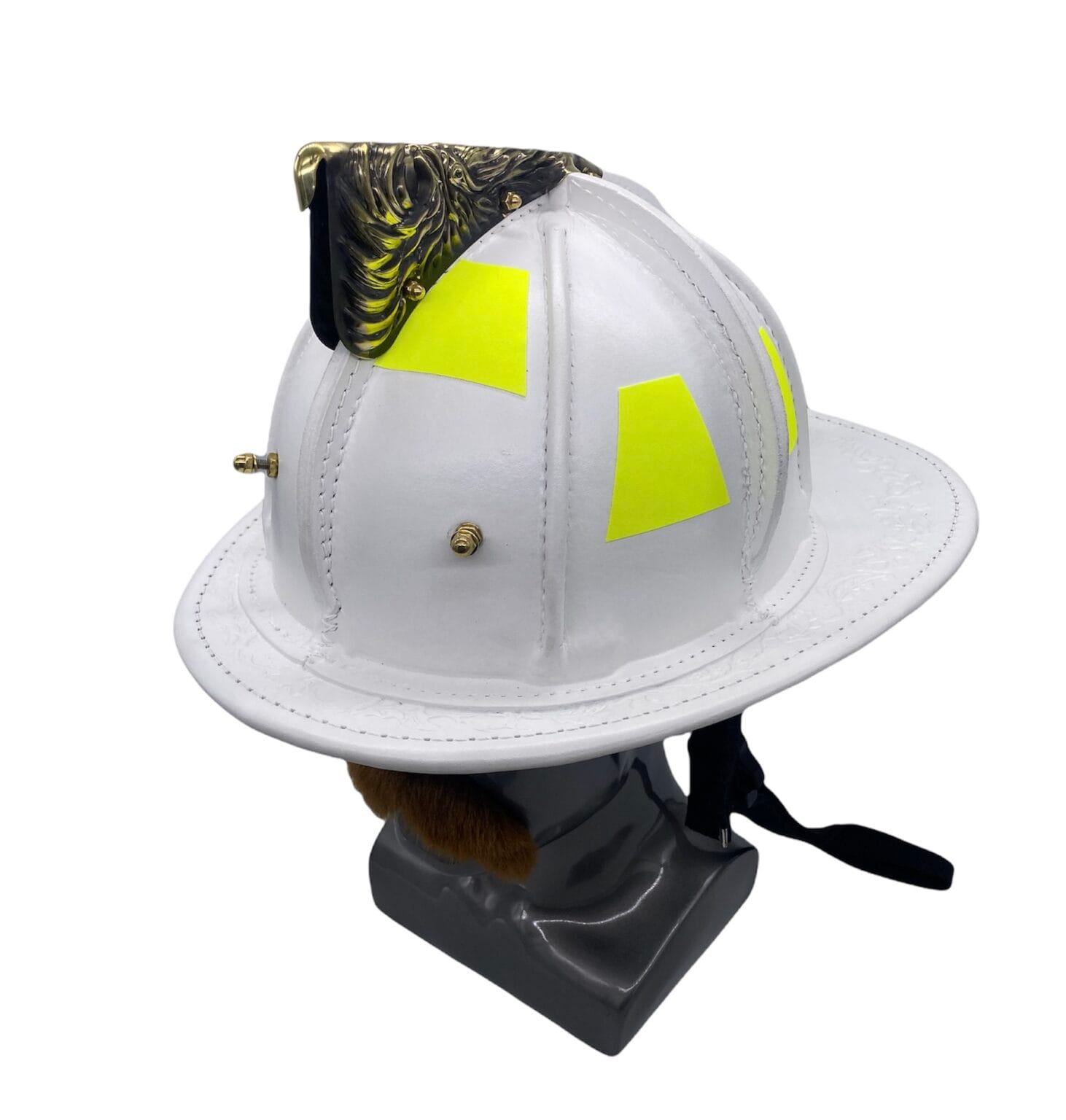
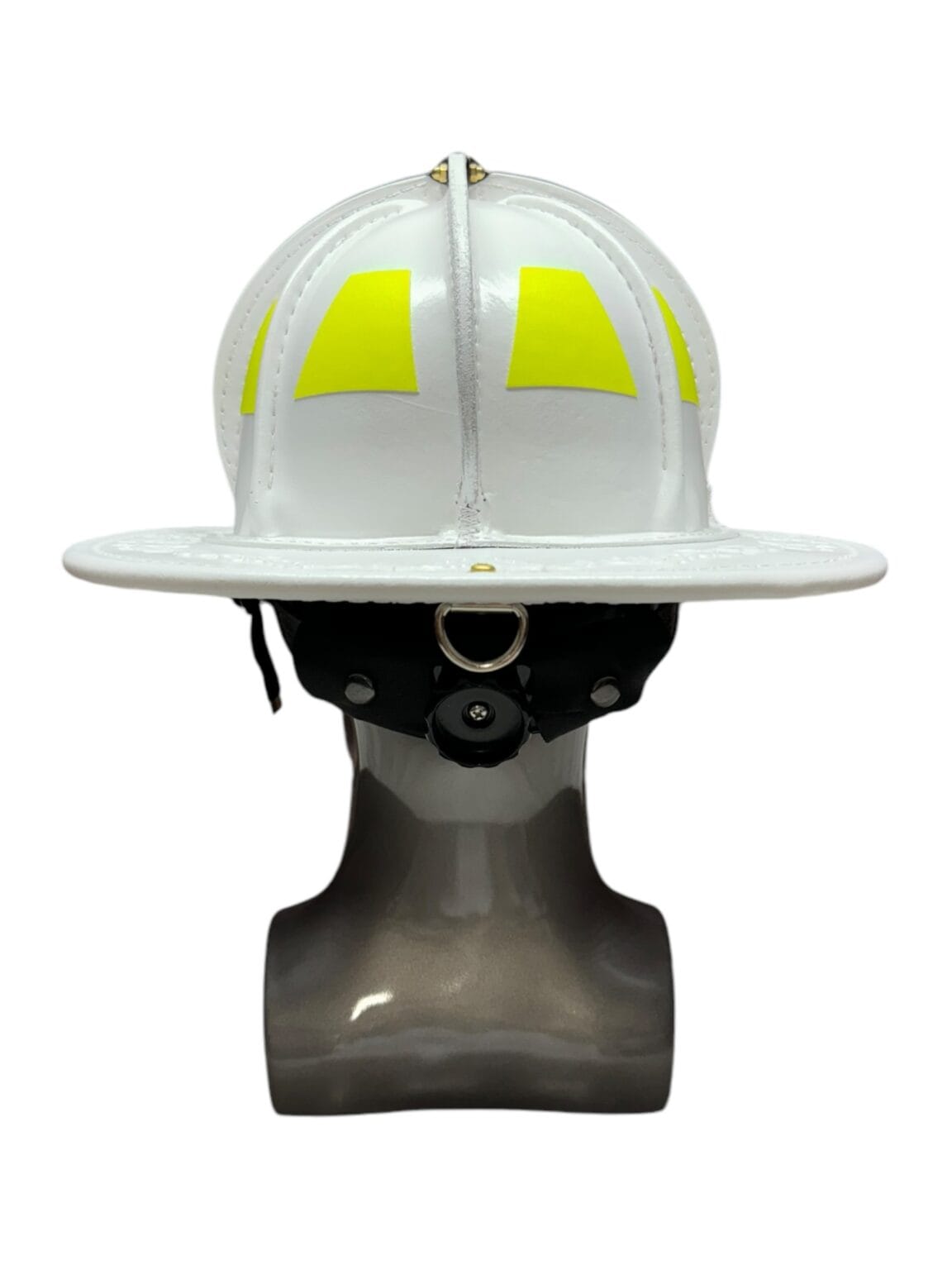


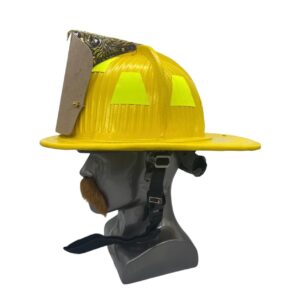
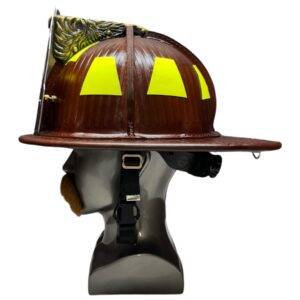
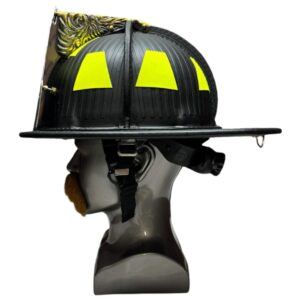
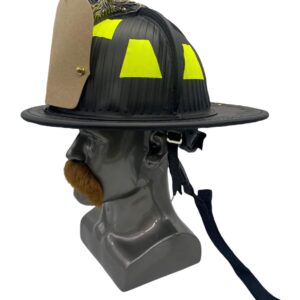
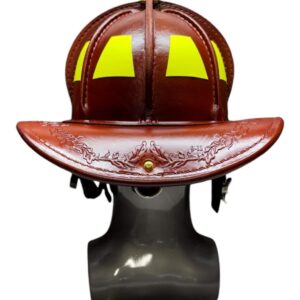
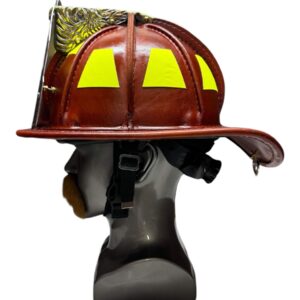
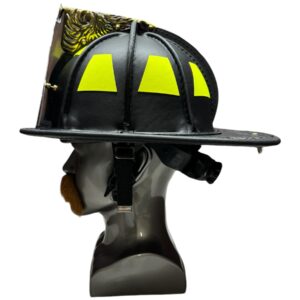
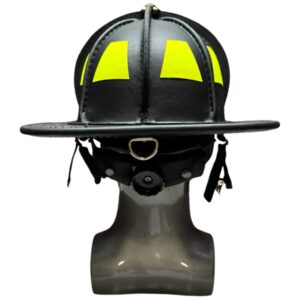
Phenix Traditional Helmet

Original price was: $1,380.00.$1,249.00Current price is: $1,249.00.
Premium Firefighter Helmets: Built for Battle-Ready Protection
Unleash unbreakable defense with our Premium Firefighter Helmets – the gold standard in headgear for those who charge into the inferno. Forged from high-impact thermoplastic or rugged leather composites, these NFPA 1971-certified helmets weigh under 2 pounds, blending featherlight comfort with fortress-like resilience against 1,000°F heat, flying debris, and electrical hazards.
Equipped with adjustable six-point suspensions, flame-retardant Nomex liners for sweat-wicking all-shift wear, and integrated face shields that flip up for quick tool access. Choose classic leather styles for tradition or modern matte finishes in black, yellow, or red—customize with department badges, LED lights, or extended brims for wildland ops.
Trusted by pros worldwide, these helmets aren’t just gear; they’re your silent guardian in structural fires and hazmat calls. Secure yours today and helmet up for heroism!
Firefighter Helmets: Your Complete Guide to Head Protection Gear
When flames rage and buildings smolder, a firefighter’s helmet becomes their first line of defense. These iconic firefighter helmets are more than just symbolic headgear—they’re sophisticated pieces of safety equipment engineered to withstand extreme conditions. Whether you’re a new recruit, a seasoned firefighter, or someone researching safety equipment, understanding the intricacies of firefighting helmet technology is crucial for making informed decisions about personal protective equipment.
In this comprehensive guide, we’ll explore everything from traditional fire leather helmet designs to cutting-edge composite materials. You’ll learn about safety standards, proper selection criteria, maintenance protocols, and why choosing the right helmet could mean the difference between life and death in emergency situations.
About the Author: Our team includes former firefighters with over 30 years of combined field experience and safety equipment specialists who have tested firefighter helmets in controlled training environments. We maintain current knowledge of NFPA standards and manufacturer specifications to provide accurate, trustworthy information.

The Evolution of Firefighter Helmets: From Tradition to Technology
The history of firefighter helmets is a fascinating journey of innovation meeting necessity. Understanding this evolution helps appreciate why modern helmets are designed as they are.
The Birth of the Modern Fire Helmet
The classic firefighting helmet design we recognize today emerged in the early 19th century. Before this, firefighters often wore whatever head protection was available, from felt hats to military helmets. The introduction of the leather fire helmet revolutionized firefighter safety with its distinctive features:
-
Extended rear brim to divert water
-
High front crown for impact protection
-
Durable leather construction
-
Symbolic front pieces for identification
The Materials Revolution
While traditional fire leather helmet options remain popular for their heritage and durability, the late 20th century introduced composite materials that transformed firefighter helmets:
-
Thermoplastics for lightweight protection
-
Fiberglass composites for enhanced strength
-
Advanced polymers for heat resistance
-
Hybrid materials combining multiple benefits
Understanding Fire Helmet Types and Their Applications
Not all firefighter helmets serve the same purpose. The right choice depends on your specific firefighting environment and responsibilities.
Structural Firefighting Helmets
These are the workhorses of building fires and structural emergencies. Key characteristics include:
-
Full head and neck coverage
-
Integrated eye/face protection
-
High-temperature resistance
-
NFPA 1971 certification
-
Compatibility with SCBA systems
Wildland Firefighting Helmets
Designed for brush and forest fires, these firefighting helmet models prioritize:
-
Lightweight construction for mobility
-
Wide brims for sun and ember protection
-
Enhanced ventilation systems
-
NFPA 1977 compliance
-
Bright colors for visibility
Technical Rescue Helmets
For specialized operations like:
-
Urban search and rescue
-
Rope and confined space work
-
Water rescue operations
These firefighter helmets often feature: -
Integrated lighting systems
-
Communication equipment mounts
-
Reduced profile for tight spaces
-
Multi-impact protection
Key Components of Modern Firefighter Helmets
Understanding the anatomy of a firefighting helmet helps appreciate its protective capabilities. Every quality helmet consists of these essential elements:
The Outer Shell: First Line of Defense
This component bears the brunt of external hazards. Materials vary by helmet type:
-
Traditional leather: Durable, develops character over time
-
Thermoplastics: Lightweight, cost-effective
-
Composite materials: Superior strength-to-weight ratio
-
Fiberglass: Excellent impact resistance
The Impact Liner: Energy Absorption
Located between the shell and suspension, this crucial component:
-
Absorbs and distributes impact energy
-
Provides additional thermal insulation
-
Enhances overall comfort
-
Meets specific safety standards
Suspension System: The Perfect Fit
A proper suspension system ensures:
-
Secure, comfortable fit
-
Impact energy distribution
-
Adequate ventilation
-
Easy adjustability for different users
Face and Eye Protection
Modern firefighter helmets typically include:
-
Flip-down face shields
-
Protective goggles
-
Integrated eye protection
-
Compatibility with respiratory equipment
Safety Standards and Certifications: What Really Matters
When evaluating fire helmets for sale, understanding safety certifications is non-negotiable. In the United States, the National Fire Protection Association sets the benchmark.
NFPA 1971: The Gold Standard
This comprehensive standard covers structural firefighting helmet requirements, including tests for:
-
Impact resistance from falling objects
-
Penetration resistance from sharp objects
-
Flame and heat resistance
-
Electrical insulation properties
-
Retention system strength
NFPA 1977: Wildland Specific
Wildland firefighter helmets must meet different requirements addressing:
-
Lighter weight needs
-
Enhanced ventilation
-
Sun and weather protection
-
Mobility considerations
-
For complete, current standards, visit the National Fire Protection Association (NFPA) website.
Choosing the Right Firefighter Helmet: A Step-by-Step Guide
Selecting the perfect firefighting helmet involves careful consideration of multiple factors. Follow this systematic approach:
Step 1: Assess Your Primary Environment
-
Structural firefighting: Requires full-coverage helmets
-
Wildland operations: Need lightweight, ventilated designs
-
Multi-hazard response: May require adaptable systems
-
Technical rescue: Benefit from accessory compatibility
Step 2: Consider Material Preferences
Traditional Leather Fire Helmet:
-
Pros: Classic appearance, durable, develops character
-
Cons: Heavier, requires more maintenance
Modern Composite Fire Helmet:
-
Pros: Lighter weight, consistent performance
-
Cons: Less traditional appearance
Step 3: Evaluate Essential Features
-
Weight distribution for comfort during long operations
-
Ventilation systems for heat management
-
Accessory mounting options for equipment
-
Visibility enhancements for low-light conditions
Internal Link: [Compare different fire helmet models] in our detailed buyer’s guide.
Traditional vs. Modern: The Great Helmet Debate
Many firefighters have strong preferences between traditional and contemporary designs. Here’s an objective comparison:
| Feature | Traditional Leather | Modern Composite |
|---|---|---|
| Weight | 4-5 pounds | 2-3 pounds |
| Durability | Excellent, improves with age | Consistent, may show wear |
| Tradition | Strong heritage connection | Modern, functional focus |
| Maintenance | Regular conditioning needed | Easy to clean |
| Customization | Classic accessories available | Modern mounting systems |
| Heat Resistance | Natural properties | Engineered materials |
The Iconic Boston Bend and Other Traditional Styles
When discussing traditional fire leather helmet designs, the Boston bend fire helmet stands out as one of the most recognizable styles. Understanding traditional bends helps appreciate fire service heritage:
Boston Bend Characteristics
-
High front crown
-
Long, sloping rear brim
-
Excellent neck protection
-
Classic, timeless appearance
-
Popular among traditionalists
Other Traditional Bends
-
Philadelphia Bend: More rounded, symmetrical profile
-
New Yorker Bend: Distinctive rake and lines
-
Chicago Bend: Specific regional characteristics
Proper Fit: Ensuring Your Helmet Actually Protects You
A poorly fitting firefighting helmet compromises both safety and comfort. Follow these guidelines for optimal fit:
Measuring for Perfect Fit
-
Use a flexible measuring tape
-
Measure circumference just above eyebrows
-
Record measurement in both inches and centimeters
-
Compare with manufacturer’s sizing chart
-
Consider head shape variations
Fit Assessment Checklist
-
Helmet sits level on head (not tilted)
-
No pressure points or hot spots
-
Suspension supports weight evenly
-
Chin strap secures comfortably without choking
-
Full range of motion maintained
-
No interference with protective eyewear
Maintenance and Care: Extending Your Helmet’s Lifespan
Proper maintenance ensures your firefighter helmet provides reliable protection throughout its service life.
Regular Cleaning Protocol
-
Wipe exterior with mild soap and water
-
Clean face shields with approved solutions
-
Remove and clean suspension components monthly
-
Avoid harsh chemicals that could degrade materials
-
Dry thoroughly before storage
Inspection Schedule
Before each use:
-
Check shell for cracks or damage
-
Verify suspension integrity
-
Test retention system function
-
Ensure clear visibility through shields
Monthly detailed inspection:
-
Disassemble components for cleaning
-
Check for worn or damaged parts
-
Verify all labels and certifications remain legible
-
Document inspection findings
Proper Storage Practices
-
Store in clean, climate-controlled environment
-
Avoid extreme temperature exposure
-
Use protective bags for transport
-
Keep away from direct sunlight
-
Hang properly or store on approved racks
Customization and Accessories: Making It Your Own
Modern firefighter helmets offer numerous customization options to meet individual needs and preferences.
Essential Accessories
-
Helmet lights for hands-free illumination
-
Radio communication mounts
-
Thermal imaging camera brackets
-
Helmet covers for identification
-
Additional face protection options
Personalization Options
-
Department identification
-
Rank and company markings
-
Custom paint schemes
-
Reflective trim for visibility
-
Personalized front pieces
The Future of Firefighter Helmets: Emerging Technologies
The evolution of firefighting helmet technology continues with exciting developments on the horizon:
Integrated Technology Systems
-
Heads-up displays (HUDs) for vital information
-
Thermal imaging integration
-
Vital signs monitoring
-
Enhanced communication systems
-
Environmental sensors
Advanced Material Science
-
Lighter, stronger composite materials
-
Self-cleaning surfaces
-
Improved impact-absorbing technologies
-
Enhanced heat-resistant coatings
-
Smart materials that adapt to conditions
Frequently Asked Questions (FAQ)
Q1: How often should firefighter helmets be replaced?
Most manufacturers recommend replacing firefighter helmets every 5-10 years, depending on usage and inspection results. However, any helmet that sustains significant impact, shows signs of material degradation, or fails inspection should be replaced immediately regardless of age.
Q2: Are leather fire helmets still safe for modern firefighting?
Yes, modern fire leather helmet models from reputable manufacturers meet current NFPA 1971 standards when properly certified. They incorporate advanced thermal liner technology while maintaining traditional aesthetics that many firefighters prefer.
Q3: What’s the average cost range for quality firefighter helmets?
Prices for NFPA-certified firefighter helmets range from approximately $200 for basic models to over $1,200 for fully customized helmets with extensive features. The Boston bend fire helmet and other traditional leather models typically represent the higher end of this range due to material and craftsmanship costs.
Q4: Can I use the same helmet for structural and wildland firefighting?
While possible, it’s not recommended. Structural firefighting helmet designs prioritize impact protection and heat resistance, while wildland helmets focus on lightweight mobility and ventilation. Using the appropriate helmet for each environment ensures optimal protection and comfort.
Q5: How do I verify a helmet meets NFPA standards?
Look for the NFPA certification label inside the helmet, which indicates compliance with current standards. Additionally, purchase from authorized dealers who can provide documentation verifying certification status for any fire helmets for sale.




Reviews
There are no reviews yet.